

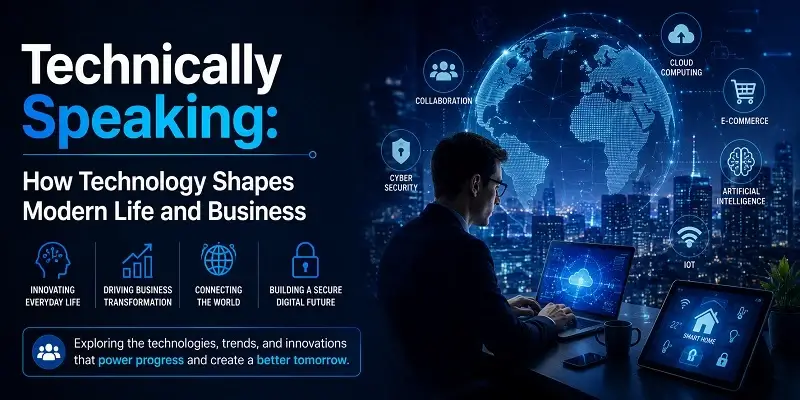
The world has experienced remarkable changes over the past few decades, largely due to technological advancements. From communication and education to healthcare and business, technology has transformed nearly every aspect of daily life. Technically, modern society relies on digital tools more than ever before, making technology an essential part of personal and professional growth.
As innovation continues to accelerate, individuals and organizations must adapt to remain competitive and relevant. Understanding the impact of technology is no longer optional; it is a necessity. This article explores how technology influences various sectors, the opportunities it creates, and the challenges that come with living in an increasingly digital world.
The Evolution of Technology
Technology has evolved from simple mechanical inventions to highly sophisticated digital systems. Early innovations such as the printing press and steam engine changed the course of history by improving communication and productivity. Today, advanced technologies like artificial intelligence, cloud computing, and the Internet of Things are driving another wave of transformation.
Technically, these innovations enable machines and software to perform tasks that once required significant human effort. Businesses can automate repetitive processes, analyze large amounts of data, and make faster decisions. As a result, productivity levels have increased across multiple industries.
The pace of technological advancement continues to grow. New devices, applications, and platforms emerge regularly, creating opportunities for innovation while also challenging people to keep their skills up to date.
Technology and Communication
Communication has been one of the most significantly impacted areas of modern life. In the past, people relied on letters and landline telephones to stay connected. Today, instant messaging, video conferencing, and social media platforms allow communication across the globe within seconds.
Technically, digital communication tools operate through complex networks and data transmission systems. However, users experience these technologies through simple and convenient interfaces that make communication effortless.
Businesses benefit greatly from these advancements. Teams can collaborate remotely, conduct virtual meetings, and manage international projects without geographic limitations. This level of connectivity has expanded opportunities for companies and individuals alike.
At the same time, communication technology has created challenges such as information overload, privacy concerns, and the spread of misinformation. Therefore, responsible use of digital communication tools remains essential.
The Role of Technology in Education
Education has undergone a major transformation thanks to technological innovation. Students can now access educational resources from anywhere in the world through online learning platforms, digital libraries, and virtual classrooms.
Technically, e-learning systems use cloud-based infrastructure to deliver content to millions of users simultaneously. These systems support interactive learning experiences through videos, quizzes, simulations, and collaborative activities.
Teachers also benefit from technology by gaining access to tools that simplify lesson planning, student assessment, and classroom management. Educational institutions can analyze performance data to identify areas for improvement and provide personalized learning experiences.
Despite these advantages, technology cannot completely replace human interaction in education. Critical thinking, creativity, and emotional intelligence often develop through direct engagement with instructors and peers.
Technology in Business Operations
Modern businesses depend heavily on technology to remain competitive. From inventory management and customer service to marketing and financial analysis, technology supports nearly every business function.
Technically, enterprise software integrates multiple business processes into centralized systems. This integration improves efficiency, reduces errors, and provides real-time insights into organizational performance.
Digital marketing has become one of the most powerful business tools available today. Companies can use data analytics to understand customer behavior and create highly targeted campaigns. Technically, algorithms process large datasets to identify patterns and predict future trends.
Small businesses also benefit from affordable technological solutions. Cloud services, automation tools, and e-commerce platforms enable entrepreneurs to compete in markets that were once dominated by large corporations.
Artificial Intelligence and Automation
Artificial intelligence is one of the most influential technological developments of the modern era. AI systems can analyze information, recognize patterns, and perform tasks that traditionally required human intelligence.
Technically, artificial intelligence relies on algorithms, machine learning models, and vast amounts of data. These systems improve over time as they process additional information and learn from previous experiences.
Automation powered by AI is transforming industries such as manufacturing, healthcare, finance, and customer service. Routine tasks can be completed faster and more accurately, allowing employees to focus on strategic and creative responsibilities.
However, concerns about job displacement and ethical decision-making continue to spark debate. Organizations must balance technological efficiency with social responsibility to ensure that innovation benefits society as a whole.
Technology and Healthcare
Healthcare has experienced significant improvements due to technological advancements. Medical professionals can diagnose diseases more accurately, monitor patients remotely, and perform complex procedures with greater precision.
Technically, modern healthcare systems utilize digital records, advanced imaging equipment, wearable devices, and telemedicine platforms. These technologies enhance patient care while improving operational efficiency.
Remote healthcare services have become increasingly popular, particularly in areas with limited access to medical facilities. Patients can consult healthcare providers through video calls and receive guidance without traveling long distances.
Data analytics also plays an important role in healthcare. Technically, predictive models help identify health risks and support early intervention strategies, leading to better patient outcomes.
Challenges in the Digital Age
While technology offers numerous benefits, it also presents several challenges. Cybersecurity threats, data breaches, and privacy concerns have become major issues for individuals and organizations.
Technically, cybercriminals use sophisticated methods to exploit vulnerabilities in digital systems. As a result, businesses must invest in security measures such as encryption, multi-factor authentication, and employee training.
Another challenge is the digital divide. Not everyone has equal access to technology and internet connectivity. This gap can limit educational opportunities, economic growth, and social participation for certain communities.
Additionally, excessive reliance on technology may contribute to reduced face-to-face interaction and increased screen time. Maintaining a healthy balance between digital and offline activities is essential for overall well-being.
The Future of Technology
The future promises even more exciting technological developments. Emerging fields such as quantum computing, augmented reality, and advanced robotics have the potential to revolutionize industries and everyday life.
Technically, local SEO services these innovations are still evolving, but their long-term impact could be substantial. Businesses that invest in research and development will be better positioned to capitalize on future opportunities.
Sustainability is also becoming a key focus in technological innovation. Companies are developing energy-efficient solutions and environmentally friendly technologies to address global challenges.
As technology continues to advance, adaptability will become one of the most valuable skills individuals and organizations can possess.
Conclusion
Technology has become a driving force behind progress in virtually every aspect of modern life. Technically, it enables faster communication, improved education, efficient business operations, advanced healthcare, and groundbreaking innovation. However, technology alone is not enough to guarantee success.
The best approach mixes technology with human creativity, ethical choices, and ongoing learning. Innovative solutions can open new doors for organizations. For example, custom communication apps boost team collaboration, streamline workflows, and enhance productivity. This helps society unlock technology’s full potential. It also tackles the challenges of digital transformation.
As the future unfolds, one thing remains clear: technically advanced solutions will continue to shape the world, but human insight and adaptability will determine how successfully those solutions are used.